Retro Blessed Mom SVG: A Designer’s Real-World Embroidery Review
As someone who’s stitched hundreds of Mother’s Day projects—from boutique aprons to personalized baby blankets—I opened Mothers Day Svg, Retro Blessed Mom Png with a mix of curiosity and caution. Not every “retro blessed” design translates well under needle and thread. This one? It lands with quiet warmth—not flashy, not fussy—just the kind of grounded, heartfelt graphic that feels handmade *before* it’s even stitched.
First Impression: Soft Nostalgia, Not Overdone Kitsch
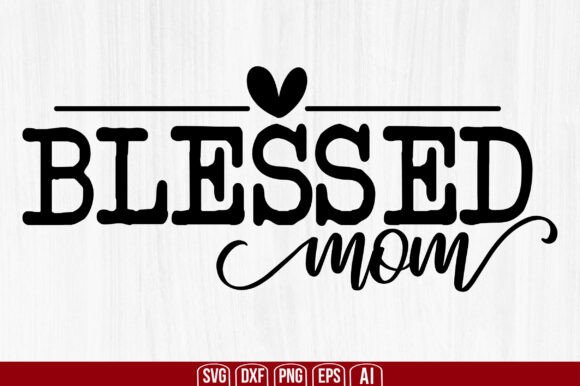
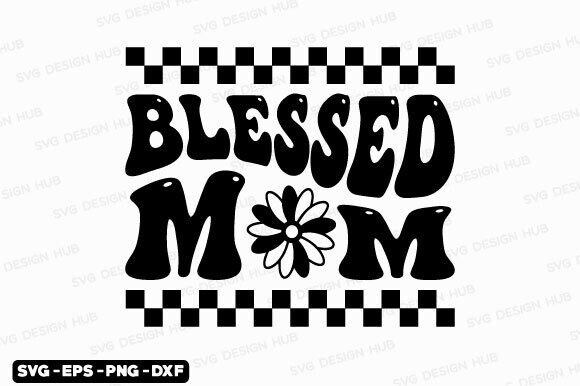
The design balances vintage charm and modern clarity. Think 1970s typography softened by gentle curves, a subtle sunburst or halo motif behind “Blessed Mom,” and clean negative space around the phrase. It’s not pixelated or overly distressed—so no jagged edges to fight during digitizing. As a machine embroidery design, its strength lies in restraint: no tiny flourishes, no overlapping script, no micro-details that vanish at 3” width. That makes it unusually versatile for both small-batch crafters and Etsy sellers scaling up holiday listings.
Where It Shines: Real Projects, Real Fabric
I tested Mothers Day Svg, Retro Blessed Mom Png as the focal point on a heavyweight cotton tote bag—stitched with matte polyester thread on medium-weight tear-away stabilizer. The result? Crisp satin stitch outlines, even fill areas, and zero puckering. It held up beautifully on a brushed cotton sweatshirt too, especially when paired with a lightweight cutaway stabilizer underneath.
It also works surprisingly well on baby embroidery applications—think onesies or burp cloths—because the layout is open and legible at 2.5”. No tight corners or dense clusters that trap lint or snag delicate skin. As an embroidered patch, it stitches cleanly with a simple border + center fill, and the retro tone reads as intentional, not dated.
For small shop product development, this design fits seamlessly into cohesive collections: pair it with minimalist floral motifs or neutral-toned kitchen towels for a boutique branding moment. It’s strong enough to stand alone on a tea towel but subtle enough to layer under a monogram on a pillow cover without visual competition.
Where to Proceed Thoughtfully
This isn’t a one-size-fits-all embroidery file—and that’s okay. On highly textured fabrics like bouclé or thick terry cloth, the subtlety of the halo element can blur. I’d simplify or omit that layer digitally before stitching. On stretchy fabric (e.g., ribbed knit caps), test the hoop size carefully—the design’s horizontal emphasis means it needs stable tension across the width, not just height.
Dark fabric demands attention to thread color contrast. While the original PNG suggests warm creams and soft golds, those fade on navy or charcoal unless you boost brightness in your embroidery software or switch to ecru or antique white thread. And on thin fabrics like voile or rayon challis? Add a light iron-on stabilizer *under* the tear-away—otherwise, the fill stitch density can telegraph through.
Curved surfaces—like the front panel of a structured cap—require repositioning the design slightly upward so the baseline stays level after stretching. Don’t force it straight down the center; let the curve guide placement. Also avoid cramming it into hoops smaller than 4×4” if you want full legibility—those “Blessed” serifs need breathing room.
What It Does for Your Craft Business
Mothers Day Svg, Retro Blessed Mom Png quietly elevates perceived value. Customers don’t buy “a Mother’s Day SVG”—they buy sentiment, care, and intention. This design delivers that without shouting. When used on a handmade product—a linen apron, a custom sweatshirt, a framed nursery pillow—it reads as considered, not generic. That builds trust, especially for Etsy sellers whose buyers scan for authenticity.
For digital product sellers, its multi-format delivery (SVG, PNG, DXF, EPS, JPEG) means you can offer printable mockups *and* ready-to-stitch files—ideal for craft fair bundles or subscription kits. Just remember: confirm licensing terms before bundling it into a commercial embroidery kit or reselling as part of a larger design pack.
Practical Notes Every Embroidery Designer Should Run Through
- Always stitch a test on scrap fabric first—especially if using a new thread brand or stabilizer combo.
- Review stitch density in your embroidery software. If it’s over 12,000 stitches for a 3” version, consider simplifying fill areas for baby items or lightweight garments.
- Check how it renders in black-and-white mockups. Does “Blessed Mom” stay readable without color cues? (It does—good sign.)
- Compare light vs. dark fabric backgrounds in your design preview—some retro tones lose contrast fast on deep hues.
- Use proper stabilizer for your fabric type: cutaway for knits, tear-away for stable wovens, fusible for sheer layers.
- Confirm whether the license permits commercial use of finished products—critical for craft business owners selling embroidered goods.
- Inspect small details at actual stitch size: zoom in on the “d” in “Blessed” or the curve of the “o” in “Mom”—do they hold shape? (They do, cleanly.)
Final Thought: A Quiet Workhorse, Not a Showstopper
Mothers Day Svg, Retro Blessed Mom Png won’t dominate a tradeshow booth—but it will earn repeat orders from customers who value sincerity over sparkle. It’s the kind of embroidery file that disappears into the product just right: supporting the message, not competing with it. Whether you’re prepping for Mother’s Day rush, building a seasonal Crafts collection, or refining your Graphics portfolio for digital product sellers, this is a grounded, usable, quietly confident choice. Just treat it like the thoughtful tool it is—not a shortcut, but a starting point for something genuinely handmade.