Proud Autism Mom-About Proud Autism Mom
A Designer’s First Look: Warm, Clear, and Purposeful
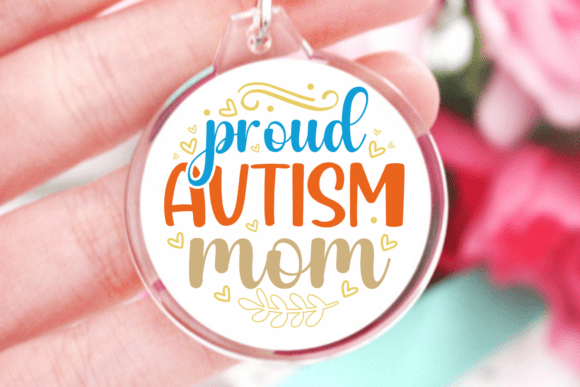
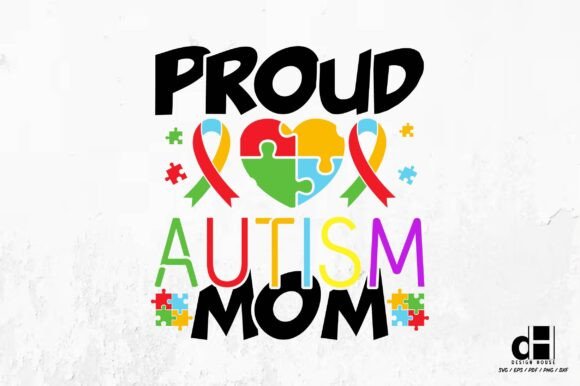
When I opened Proud Autism Mom-About Proud Autism Mom for the first time, what struck me wasn’t just the sentiment—it was the visual clarity. This isn’t a cluttered or overly ornate machine embroidery design. It reads instantly: confident lettering, balanced spacing, and a gentle, inclusive energy that lands without shouting. As a designer who regularly selects embroidery files for client projects—custom tote bags for local autism support groups, personalized baby onesies for new parents, and boutique sweatshirt lines—I immediately saw its quiet strength. It feels like a design made *with* intention, not just *for* sale.
Real Project Test: Stitching It on a Linen-Cotton Tea Towel
Last week, I used Proud Autism Mom-About Proud Autism Mom to embroider a set of kitchen towels for a small shop launching a neurodiversity-themed gift collection. I chose medium-weight linen-cotton blend fabric—textured but stable—and paired it with a lightweight cutaway stabilizer. The result? Clean satin stitch edges, legible letterforms even at 3.5 inches wide, and zero puckering. The design’s moderate stitch density held up beautifully without overwhelming the fabric’s natural drape. Customers responded warmly—not just to the message, but to how *crafted* it looked. That matters: in handmade product markets, visual polish builds trust faster than any description.
Where It Shines (and Where to Pause)
Proud Autism Mom-About Proud Autism Mom works especially well for:
- Custom apparel: Sweatshirts, crewnecks, and relaxed-fit tees—its open letter spacing avoids “mushy” fills on knit fabrics.
- Tote bag design: Stitches cleanly across canvas and cotton duck; holds presence without stiffness.
- Baby embroidery: Soft curves and rounded forms read gently on onesies and burp cloths—no sharp angles or tiny details that snag.
- Embroidered patch: With clean outlines and consistent line weight, it converts smoothly to sew-on or iron-on formats.
- Holiday embroidery & personalized gifts: Fits naturally on ornaments, pillow covers, and keepsake blankets—especially when paired with subtle thread colors like heather gray, soft teal, or warm oat.
That said, use extra care on:
- Curved surfaces like caps—test hoop placement first; the layout leans horizontal, so center-front cap placement may need slight vertical compression.
- Thin or stretchy fabric: Always pair with appropriate stabilizer—lightweight tear-away won’t hold up here; go medium-weight cutaway or woven fusible.
- Dark fabric: Review thread color contrast carefully. Some lighter fill-stitch areas can fade visually unless you choose high-contrast thread (e.g., white on navy, mustard on charcoal).
- Small hoop sizes under 4×4 inches: The full phrase may feel cramped. Consider using just “Proud Autism Mom” as a standalone motif if space is tight.
Design Assets That Support Your Craft Business
As an Etsy seller and small shop product developer, I pay close attention to how a digital embroidery file supports scalability and brand cohesion. Proud Autism Mom-About Proud Autism Mom delivers that. Its clean vector foundation (EPS files included) means you can resize confidently for mockups, social media previews, or printable packaging labels. The SVG and PNG variants are ideal for digital product previews—think listing banners, Canva templates, or email headers for your craft business. And because the composition avoids excessive fine detail, it translates well into both embroidery and print-on-demand workflows—no redraws needed.
What It Adds to Your Finished Product
This isn’t just text stitched onto fabric—it’s a signal. When customers see Proud Autism Mom-About Proud Autism Mom on a handmade item, they register authenticity, care, and alignment with values. That elevates perceived value, especially in emotionally resonant categories like nursery decor, support group merch, or personalized gifts. For commercial embroidery projects, it reads professionally—not generic, not rushed. And crucially, it doesn’t sacrifice readability for style. Every word stays distinct after stitching, which strengthens buyer engagement and reduces post-purchase questions about clarity.
Practical Embroidery Designer Notes
Before stitching Proud Autism Mom-About Proud Autism Mom on your next project:
- Test the design on scrap fabric matching your final material—especially if using textured, dark, or stretchy substrates.
- Check thread color contrast in both light and dark mockups. A single-color version often reads more universally than multi-tone variations.
- Review stitch density: it’s moderate, but still verify tension settings on your machine—overly tight tension can exaggerate letter spacing.
- Confirm hoop size compatibility. While flexible, it’s designed for standard 5×7 or larger hoops for best results.
- Inspect small corners and inner curves—even simple letterforms can trap thread if stabilizer shifts. A quick slow-motion run-through helps.
- Use proper stabilizer: medium-weight cutaway for knits, lightweight tear-away for stable wovens, and fusible for lightweight linens.
- Verify licensing terms before selling finished items or bundling the file digitally—this is essential for Etsy sellers and creative entrepreneurs.
Final Thought: A Design That Carries Weight—Gently
Proud Autism Mom-About Proud Autism Mom stands out in the Crafts and Graphics space because it balances emotional resonance with technical reliability. It doesn’t try to be everything—it knows its role: a clear, dignified, and stitch-ready expression of pride and advocacy. Whether you’re making a one-of-a-kind baby gift, stocking a boutique shelf, or building a themed collection for your craft business, this embroidery file earns its place—not as filler, but as a thoughtful, functional, and quietly powerful design asset.