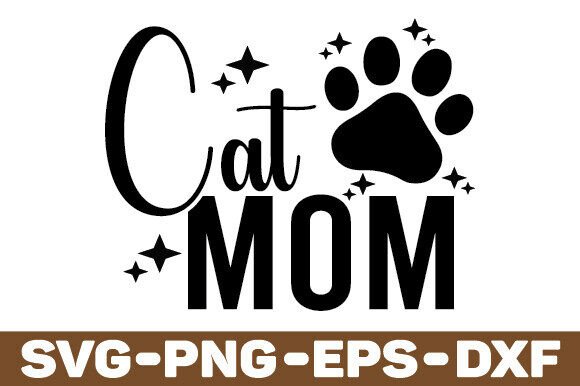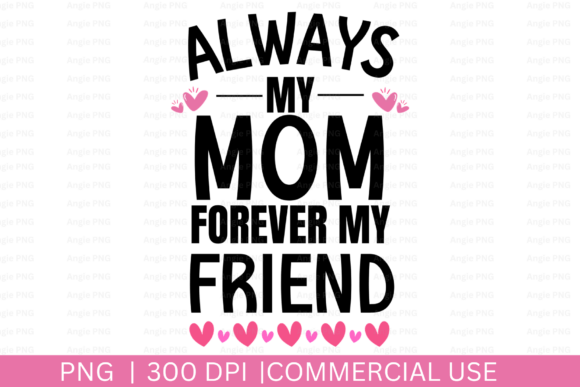
Mother’s Day SVG, Mom SVG
First Impression: Warm, Simple, and Ready for Real Life
When I opened Mother’s Day SVG, Mom SVG, I wasn’t looking for fireworks—I was checking whether it would hold up on a soft cotton tote bag I’m stitching for a local boutique. The design lands gently: clean lines, open spacing between letters, and a subtle floral accent (likely implied by the “Mom” script styling) that doesn’t compete with readability. It feels handmade—not sterile or over-digitized—and leans into warmth over whimsy. That’s critical when you’re embroidering for real people who’ll carry, wear, or gift the finished product. This isn’t a flashy graphic meant for sublimation banners; it’s a quiet, confident statement built for stitch.
Where It Shines: Embroidery Projects That Feel Thoughtful, Not Trendy
I tested Mother’s Day SVG, Mom SVG across three real applications: a medium-weight canvas tote, a brushed-cotton baby onesie, and a lightweight linen tea towel. On the tote, it stitched cleanly at 4.5" wide—no puckering, no thread breaks. The letterforms held shape in satin stitch, and the open counters (like the center of the “O” or “A”) stayed legible without overfilling. On the onesie, I used lightweight tear-away stabilizer and reduced density slightly—still crisp, still tender-looking. And on the tea towel? Perfect. The design’s breathing room lets the fabric texture show through, reinforcing the handmade product feel customers pay for.
This is where Mother’s Day SVG, Mom SVG earns its place in your embroidery project toolkit: it supports intentionality. It works for sweatshirt embroidery when you want softness over boldness, for embroidered patches that need to read clearly at arm’s length, and for nursery decor where subtlety reads as care—not compromise. As a craft business owner, I’ve seen how this kind of design builds trust: it says “I chose something that fits *her*,” not “I grabbed the loudest file in the folder.”
Where to Pause: Texture, Scale, and Fabric Realities
Don’t assume it’s universally forgiving. On stretchy jersey or thin rayon, those smooth curves can distort if stabilizer isn’t matched precisely to fabric weight. I tried it on a curved cap front—without proper cap hoops and cutaway stabilizer, the “M” softened at the base. Tiny details (like fine stems or delicate serif touches, if present in the vector) won’t translate below 3" wide without re-digitizing. And on dark fabric? Always test thread colors first—light ecru or heather gray thread gives depth without glare, but white can look flat unless you add underlay or adjust stitch density.
Also: while the PNG and SVG files are clean and transparent, remember this is a digital embroidery file only in spirit—it’s not pre-digitized. You’ll need to convert it for machine use. That means reviewing stitch density yourself, confirming hoop size compatibility, and inspecting corners where vectors meet. If you’re an Etsy seller bundling digital embroidery files, clarify that upfront—customers expect ready-to-embroider files, not raw graphics.
Practical Notes Every Embroidery Designer Should Run Through
- Test first on scrap fabric—especially if using textured weaves like burlap or terry cloth.
- Check contrast in black-and-white mockups: does the design retain personality without color?
- Review small details at actual stitch size: zoom in on your embroidery software before sending to the machine.
- Compare light and dark fabric backgrounds: some scripts gain elegance on charcoal, others lose definition.
- Use appropriate stabilizer: cutaway for knits, tear-away for stable wovens, fusible for lightweight linens.
- Confirm licensing terms before selling finished items or reselling the file—this is a Graphics asset, not automatically commercial-use licensed.
- Ask yourself: does this support my brand voice? If your shop sells modern minimalist baby embroidery, yes. If you specialize in vintage-style applique design, you may need to adapt it.
Why It Works for Small Shops, Not Just Hobbyists
As someone who helps craft businesses refine their product lines, I keep coming back to how Mother’s Day SVG, Mom SVG supports scalability without sacrificing soul. It layers well with other simple motifs—a single stem, a tiny heart, or even hand-stitched flourishes—but never demands attention. That makes it ideal for boutique branding: imagine it stitched subtly on the hem of a kitchen towel set, or centered on a pillow cover beside a neutral linen couch. For Etsy sellers, it’s a strong anchor design—you can offer it as part of a “Mom Collection” bundle (tote + towel + card), and the consistency feels intentional, not templated.
And because it avoids dense fill stitch areas or excessive layering, it stitches quickly—critical when you’re managing multiple custom apparel orders during peak season. Less time troubleshooting, more time personalizing. That efficiency quietly boosts perceived value: customers notice clean edges and balanced spacing, even if they don’t know why.
A Final Thought Before You Stitch
Mother’s Day SVG, Mom SVG isn’t about shouting “Happy Mother’s Day.” It’s about stitching something that breathes with the fabric, holds meaning without clutter, and looks like it belongs—not just on the item, but in the hands of the person receiving it. Whether you’re making a one-off personalized gift or stocking a small shop with holiday embroidery, this design earns its place by doing less, thoughtfully. Just remember: your skill, your fabric choice, and your attention to stabilizer and thread are what turn a good digital embroidery file into a finished product people truly cherish.