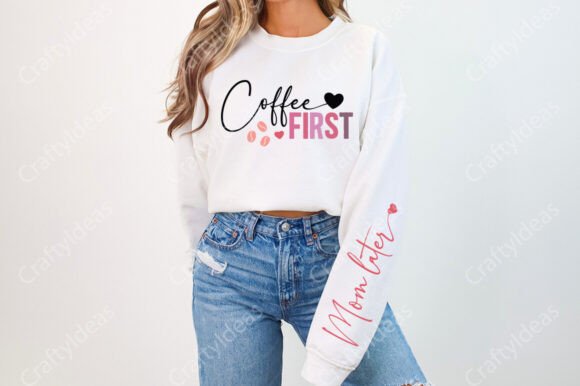
Coffee First Mom Later PNG
First Impressions: Warm, Witty, and Wearable
Opening Coffee First Mom Later PNG feels like stepping into a sunlit kitchen at 6:47 a.m. — slightly chaotic, deeply relatable, and full of quiet humor. It’s not just text on a screen; it’s a mood, a mantra, and a visual shorthand for the modern mom who runs on caffeine and compassion. The layout leans into soft boho charm: rounded sans-serif lettering with gentle coffee cup accents (a steam swirl here, a subtle bean motif there), balanced spacing, and intentional negative space. It doesn’t scream — it smiles. That’s critical when you’re evaluating a machine embroidery design meant to live on real fabric, not just digital previews.
A Real Project Test: Embroidering a Linen Tote for a Local Boutique
Last week, I prepped this design for a limited-run embroidered tote bag — natural linen, medium-weight, destined for a Mother’s Day pop-up at a neighborhood boutique. I chose Coffee First Mom Later PNG because its rhythm works beautifully on sleeve or side-panel placement, and its tone fits handmade, thoughtful gifting. But before hooping, I asked the right questions: Will those delicate coffee steam curves hold up in satin stitch? Does the lettering stay legible at 3.5 inches wide on textured fabric? How will it read on dark indigo versus cream?
Where It Shines — And Where It Asks for Care
This design excels in custom apparel and personalized gift contexts where warmth and authenticity matter more than flash. On a lightweight cotton sweatshirt? Crisp and charming. On a baby onesie (scaled down to 2.75") with light stabilizer? Sweet and legible — though I recommend skipping the smallest cup details if stitching under 3". As a tot bag design or apron embroidery, it anchors the piece without overwhelming. Its clean lines translate well into applique design workflows too — especially when paired with a contrasting fabric cuff or border.
But let’s be direct: avoid dense fill-stitch versions on thin jersey or highly stretchy knits without proper cutaway stabilizer. The lowercase “o” in “Coffee” and the curve of the steam tend to blur if stitch density is too high or tension is off. On dark fabric, test thread colors early — a warm taupe or oatmeal works better than stark white for that cozy, unpolished vibe. And skip curved surfaces like baseball caps unless you’re confident in your cap frame setup; the horizontal flow doesn’t adapt naturally to dome-shaped hooping.
Design Integrity Meets Customer Trust
What makes Coffee First Mom Later PNG more than just another digital embroidery file? It reads as human-made, not algorithm-generated. That matters — especially for Etsy sellers and small shop products. When customers see this stitched cleanly on a tea towel or pillow cover, they don’t just see coffee and motherhood; they sense intention. That builds trust. It tells them your handmade product was chosen thoughtfully, not just dropped into a mockup generator.
I’ve watched buyers linger longer on listings featuring this kind of design — not because it’s flashy, but because it invites recognition. A nod. A laugh. A “That’s me.” That emotional resonance lifts perceived value, supports higher pricing, and encourages repeat engagement. For craft business owners building brand consistency, it slots neatly into a broader “mindful mama” aesthetic — alongside botanicals, soft neutrals, and handwritten quotes.
Practical Designer Notes Before You Stitch
- Always test first: Run Coffee First Mom Later PNG on scrap fabric matching your final substrate — same weight, same weave, same color.
- Check small details: Zoom in on the coffee cup steam and inner letter counters. If your embroidery software shows jagged edges or overlapping nodes, simplify paths before digitizing.
- Review stitch density: Overly dense fills risk puckering on lightweight cotton or linen. Aim for 10–12% underlay and moderate top-density satin or fill stitches.
- Hoop size matters: At standard 4"x4" scale, it fits comfortably — but verify your version’s dimensions. Some bundles include multiple sizes; confirm which one aligns with your project.
- Stabilizer strategy: Tear-away works for stable wovens; cutaway is safer for knits or frequent-wash items like baby clothes or kitchen towels.
- Mockup wisely: Preview in both black-and-white and grayscale — not just color. This reveals contrast issues invisible on screen.
- Licensing check: Since this appears in several bundles — Mother’s Day Sleeve SVG, Boho Mom SVG Bundle, Coffee Mom SVG — confirm commercial use rights apply to your purchase. Not all Graphics assets permit resale of finished embroidered patch or sweatshirt embroidery items without attribution or limits.
Fitting Into the Broader Craft Ecosystem
This isn’t a standalone novelty. Coffee First Mom Later PNG functions best as part of a considered collection — paired with minimalist floral borders for nursery decor, layered under hand-lettered names for personalized gifts, or scaled down as a subtle tagline on a coordinating tea towel set. For creative entrepreneurs building seasonal collections, it bridges spring and early summer themes: baby showers, Mother’s Day, teacher appreciation, even bridal brunches.
It also holds up well in printable mockup presentations. Clean edges, consistent line weight, and intentional breathing room make it easy to drop into lifestyle scenes — think ceramic mug, linen napkin, open journal — without competing for attention. That versatility strengthens listings for digital product sellers offering both physical and printable bundles.
Final Thought: Design With Purpose, Not Just Popularity
There are dozens of “mom + coffee” designs out there. What sets Coffee First Mom Later PNG apart is restraint. It doesn’t over-design. It doesn’t shout. It trusts the wearer — and the maker — to bring the story. That’s why it works so well on a holiday embroidery gift, a commercial embroidery order for a local café’s staff aprons, or a heartfelt baby embroidery keepsake. It’s not just a design asset; it’s a quiet collaborator in your next embroidery project.
If you’re choosing it for your next finished product, do so with care — test, stabilize, scale intentionally, and honor its voice. Because the best handmade product isn’t just stitched well. It’s felt well.