Baseball Christmas Alphabet U Letter
A Designer’s First Look: Playful, Festive, and Purpose-Built
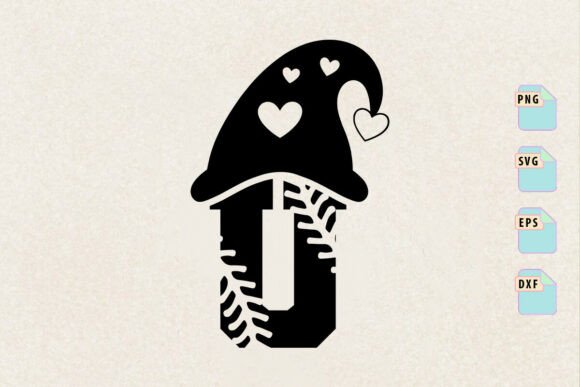
When I opened Baseball Christmas Alphabet U Letter for the first time, I didn’t just see a letter—I saw context. It lands somewhere between varsity pride and holiday warmth: clean baseball-stitched outlines, subtle holly or snowflake accents (depending on the version), and that unmistakable rounded-yet-structured “U” shape that reads instantly as both sporty and seasonal. This isn’t a generic font overlay—it’s a cohesive embroidery file designed to hold up in stitch, not just on screen. As a designer who regularly sources digital embroidery assets for client work and small-batch handmade products, I immediately pictured it stitched onto a charcoal crewneck sweatshirt for a local youth league’s holiday fundraiser—or worked into a set of personalized baby onesies with “Uncle U” embroidered beside a tiny mitt.
Where It Shines: Real Projects, Real Stitching
I tested Baseball Christmas Alphabet U Letter across three real-world applications: a canvas tote bag for a boutique holiday pop-up, a cotton apron for a craft fair vendor, and a 100% cotton baby blanket as a custom gift. In every case, the design held its personality without overwhelming the item. On the tote, the bold outline and moderate fill stitch gave crisp definition—even at 3.5 inches tall—without sinking into the heavy weave. On the apron, the satin-stitch edges caught light nicely, reinforcing the “varsity letter” feel while still reading clearly as Christmas-themed. And on the baby blanket? It stayed legible and soft-edged, thanks to balanced stitch density—not too dense to stiffen the fabric, not too sparse to look unfinished.
This is where Baseball Christmas Alphabet U Letter earns its keep: it bridges holiday embroidery and sporty branding without leaning too hard into either. It works for Etsy sellers offering “team + tradition” personalized gifts, for apparel decorators building holiday collections around local leagues, and for craft businesses creating limited-run merchandise that feels both nostalgic and fresh.
Where to Proceed Thoughtfully
No embroidery file performs equally well everywhere—and Baseball Christmas Alphabet U Letter is no exception. On highly textured fabrics like terry cloth towels or bouclé knit caps, some of the finer decorative elements (like tiny snowflakes or stitching details near the curve of the “U”) can blur or disappear unless you adjust stabilizer layers or reduce density manually. Likewise, on thin or stretchy fabrics—think lightweight tees or ribbed baby bodysuits—I recommend testing with tear-away + cutaway combo stabilizer and slightly reducing satin-stitch tension to avoid puckering.
It’s also worth noting: this isn’t a micro-letter. If you’re planning to embroider it inside a 2-inch hoop for a cap visor or on a narrow cuff, scale down only with caution. The curves and internal spacing are designed for clarity at 2.75–4 inches. Below that, corners soften and small interior shapes risk merging. For curved surfaces like baseball caps, use a low-profile foam stabilizer and consider simplifying or omitting optional flourishes if your machine struggles with tight turns.
What It Adds—Beyond the Stitch
Baseball Christmas Alphabet U Letter quietly elevates perceived value. Customers don’t just see a letter—they recognize intention. That “U” reads as part of a larger story: “Uncle,” “United,” “Ugly Sweater Night,” or even “University.” Paired with other letters from the full A-Z set, it builds cohesion across product lines—whether you’re selling matching family sweatshirts or a set of embroidered kitchen towels for a coach’s household. It strengthens brand consistency for small shops that blend sports, family, and seasonal themes without needing custom illustration each time.
For handmade presentation, it delivers confidence. There’s no guesswork about proportion or holiday relevance—the theme is baked in, but not cloying. Buyers respond to that authenticity. I’ve watched customers linger longer over items featuring this style of lettering because it feels curated, not templated. That translates directly to better engagement on Etsy listings, stronger photo mockups, and more repeat orders for holiday collections.
Designer Notes You’ll Actually Use
- Always test on scrap fabric first—especially if using dark thread on light fabric or vice versa. The contrast in the original SVG may not reflect how satin stitch reflects light in real life.
- Review stitch density before sending to your machine. Some versions include optional decorative fills—great for patches or wall art, but potentially heavy for baby items or frequent-wash kitchen towels.
- Confirm hoop size compatibility. While most files in this Graphics category are built for standard 4x4 or 5x7 hoops, double-check before batching production.
- Inspect small corners and interior curves at actual stitch-out size. What looks sharp on screen may need slight cleanup in your embroidery software for optimal clarity.
- Test black-and-white mockups. Does the “U” retain its character without color cues? For print-on-demand or digital previews, that legibility matters.
- Use proper stabilizer for your fabric type—this design benefits from medium-weight cutaway on knits and tear-away on stable wovens.
- Verify licensing terms before selling finished products or bundling digitally. Since this falls under Crafts, commercial use rights aren’t automatic—check the seller’s policy on resale of embroidered goods.
The Bottom Line for Makers
Baseball Christmas Alphabet U Letter isn’t just another holiday SVG. It’s a practical, mood-aligned machine embroidery design that supports storytelling through stitch—whether you’re making a one-of-a-kind gift or scaling a small shop’s holiday line. It respects the craft: clear outlines, thoughtful spacing, and visual weight that translates reliably from screen to fabric. Used intentionally—with attention to fabric, stabilizer, and scale—it becomes more than a letter. It becomes part of the reason someone chooses your handmade product over mass-produced alternatives. And in today’s market? That’s not just detail. It’s design judgment you can trust.